

Lyon, the third-largest city in France, is a vibrant and charming destination that boasts a rich cultural heritage and a thriving gastronomic scene. Located at the confluence of the Rhône and Saône rivers, Lyon is known for its stunning architecture, historic districts, and world-renowned cuisine. As the capital of the Auvergne-Rhône-Alpes region, Lyon offers a unique blend of old-world charm and modern sophistication, making it a must-visit destination for travellers seeking an enriching experience.
A Brief History
Lyon began as the Roman settlement of Lugdunum, founded in 43 BC at the meeting point of the Rhône and Saône rivers. It quickly became the capital of Roman Gaul, developing major roads, public buildings and a thriving commercial centre that shaped the city’s early identity.
Renaissance prosperity transformed Lyon through international trade fairs, Italian merchant influence and a flourishing printing industry. By the 17th century, the city had become Europe’s leading centre for silk production, a legacy still visible in the historic traboules and workshops of the Croix Rousse district.
Lyon’s history is reflected in landmarks such as the Roman theatres on Fourvière hill, the medieval streets of Vieux Lyon and the elegant squares of the Presqu’île, each showing layers of Roman, medieval and modern development across the city.
For more, explore the History of Lyon on Wikipedia.
Lyon, France
Attractions and Activities
Basilica of Notre Dame de Fourvière
The Basilica of Notre Dame de Fourvière is one of Lyon’s most important landmarks, featuring ornate interiors, hilltop terraces and sweeping views across the city. It reflects centuries of religious and cultural history at the heart of Lyon.
Vieux Lyon and Traboules
Vieux Lyon is the city’s oldest district, known for its Renaissance architecture and narrow cobbled streets. The area’s traboules, hidden passageways linking courtyards and buildings, showcase extraordinary craftsmanship and Lyon’s unique urban heritage.
Lyon Cathedral (Cathédrale Saint Jean)
Lyon Cathedral blends medieval architecture with centuries of religious tradition. Its astronomical clock, stonework and historic artefacts make it one of the city’s most significant spiritual sites.
Place Bellecour
Place Bellecour is one of Europe’s largest urban squares, known for its open space, elegant buildings and central location. It offers insight into Lyon’s civic history and serves as a lively meeting point for visitors and locals.
Presqu’île District
The Presqu’île is Lyon’s cultural and commercial quarter, filled with shops, cafés, theatres and historic streets. Its lively atmosphere and grand architecture make it a favourite area for evening strolls and entertainment.
Parc de la Tête d’Or
Parc de la Tête d’Or is one of France’s largest urban parks, home to wide green spaces, a botanical garden, a lake and a free zoo. It’s ideal for walking, cycling and escaping the bustle of the city.
Musée des Confluences
The Musée des Confluences offers interactive exhibits on science, anthropology and world cultures. Its striking modern design and riverside setting make it a highlight for visitors of all ages.
Saône River Embankments
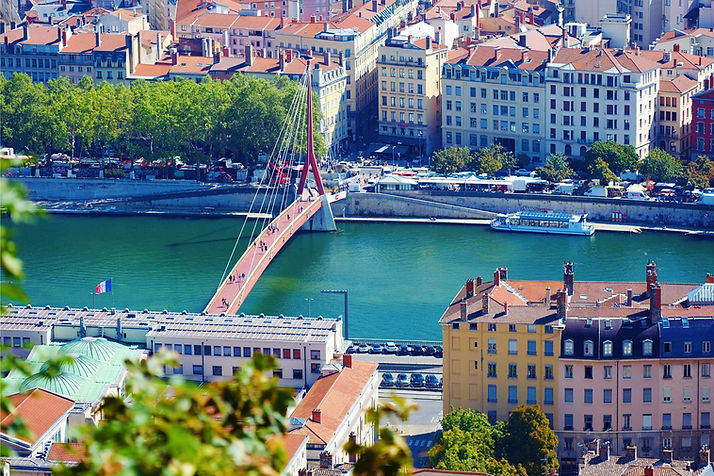
The Saône riverfront is one of Lyon’s most recognisable areas, known for its elegant bridges, colourful buildings and peaceful waterside paths. It remains a symbol of the city’s historic charm.
Culture
Arts and Performance Spaces
Lyon’s cultural scene centres on venues such as the Opéra de Lyon and the Théâtre des Célestins, known for their long tradition of drama, opera and contemporary performance. Alongside them, smaller independent theatres and creative spaces present modern productions that reflect the city’s artistic heritage.
Live Music and Local Sound
The city’s music scene ranges from classical concerts at the Auditorium Orchestre National de Lyon to lively bars and modern venues across Croix Rousse and Presqu’île. Genres span French chanson, jazz, electronic, rock and world music, creating a sound shaped by Lyon’s diverse creative communities and vibrant nightlife.
Culinary Diversity
Lyon’s food culture blends traditional French cuisine with global influences. Markets such as Les Halles de Lyon Paul Bocuse showcase fresh produce, cheeses and baked goods, while traditional bouchons serve dishes like quenelles and slow cooked meats. Modern restaurants experiment with European and international flavours, highlighting the city’s mix of tradition and innovation.
Festivals and Cultural Events
Lyon hosts a packed cultural calendar, including the Fête des Lumières, Nuits Sonores and the Biennale de la Danse. Film, music and artistic events throughout the year celebrate both local creativity and international exchange.
Best Time to Visit
Lyon is a year round destination, with each season offering a different way to experience its historic districts, riverside paths and cultural neighbourhoods. Mild springs, warm summers, crisp autumn days and festive winters all shape the city’s atmosphere, making Lyon enjoyable whether you prefer museums, parks or food markets.
Spring (March to May)
Spring in Lyon brings mild weather and blooming parks, perfect for visiting Parc de la Tête d’Or or strolling through the Renaissance streets of Vieux Lyon. Seasonal events and outdoor markets add colour to the city as it moves into warmer months.
Summer (June to August)
Summer in Lyon is warm and lively, with long days ideal for exploring the riverside paths, enjoying open air concerts or relaxing in leafy squares. Festivals such as Nuits de Fourvière fill the calendar, creating a vibrant atmosphere across the city.
Autumn (September to November)
Autumn offers comfortable temperatures and a relaxed pace for sightseeing and cultural visits. Events like the Biennale de la Danse highlight the city’s creative scene, while cooler evenings suit cosy dining in traditional bouchons.
Winter (December to February)
Winter in Lyon is cool with occasional rain, but the city remains inviting with festive Christmas markets, illuminated streets and quieter museums. It’s a great season for cultural travellers who enjoy atmospheric walks and slower exploration.
Travel Tips
Emergency Services
In case of emergency, dial 112 in France for police, ambulance or fire services. Lyon has several major hospitals, including Hôpital Édouard Herriot and Hôpital de la Croix Rousse, as well as local clinics that travellers often use for quicker assistance.
Nearest Train Station
Lyon Part Dieu is the city’s main rail hub, connecting the centre to regional destinations and high speed routes across France. Lyon Perrache, located on the Presqu’île, also handles major services and offers convenient access to nearby neighbourhoods.
Nearest Airport
Lyon Saint Exupéry Airport lies about 25 km east of the city centre and is the region’s busiest international airport. It provides extensive European and global connections, along with facilities such as lounges, duty free shopping, currency exchange and transport links by train, tram and bus.
Commonly Asked Questions
Q: What is the best time of year to visit Lyon?
A: Lyon is enjoyable throughout the year, with each season offering a different atmosphere. Spring brings mild days and blooming parks, summer is lively with festivals, autumn offers comfortable temperatures for sightseeing and winter features festive lights and quieter museums.
Q: What are must‑visit attractions in Lyon?
A: Highlights include the Basilica of Notre Dame de Fourvière, Vieux Lyon and its traboules, Lyon Cathedral, Parc de la Tête d’Or and the Musée des Confluences. Each reflects the city’s blend of Roman, medieval, Renaissance and modern culture.
Q: Is Lyon family‑friendly?
A: Yes, families enjoy Parc de la Tête d’Or with its free zoo, the riverside paths along the Rhône and Saône, the Musée des Confluences and the historic streets of Vieux Lyon. Interactive museums and spacious parks make the city easy to explore with children.
Q: What are the best outdoor activities in Lyon?
A: Popular options include walking along the river embankments, exploring Parc de la Tête d’Or, climbing Fourvière Hill for panoramic views and discovering the hidden traboules of Vieux Lyon. Day trips to nearby countryside and vineyards are also easy.
Q: How can I get around Lyon?
A: Lyon is well connected by metro, trams, buses and funiculars. The city centre is walkable, and bike hire services are widely available. Major stations such as Part Dieu and Perrache link Lyon to the rest of France.
Lyon is a city that captivates visitors with its rich history, stunning architecture, vibrant cultural scene, and warm hospitality. Whether you're exploring its iconic landmarks, savouring the flavours of French cuisine, or simply soaking in the ambiance of its historic streets, Lyon promises an unforgettable experience. With this comprehensive guide, you are well-equipped to discover the best that Lyon has to offer, ensuring a memorable and enriching journey to this French gem.


