

Birmingham, located in the West Midlands, is England's second-largest city and a dynamic hub of culture, commerce, and innovation. Known for its rich industrial heritage, vibrant arts scene, and diverse culinary offerings, Birmingham has transformed from a manufacturing powerhouse into a modern metropolis with something to offer every traveller. With its friendly locals, eclectic architecture, and buzzing atmosphere, Birmingham is a must-visit destination for those looking to explore England beyond London.
A Brief History
Birmingham traces its origins to the Anglo‑Saxon period, when it was a small settlement noted in the Domesday Book of 1086. Its early development centred around local markets and trade, laying the foundation for the town’s civic and commercial life.
By the 18th and 19th centuries, Birmingham had emerged as a powerhouse of the Industrial Revolution, becoming known as the “workshop of the world.” This era produced enduring contributions to manufacturing, engineering, and innovation, legacies still visible in landmarks such as the Jewellery Quarter and the Canals of Birmingham.
Following industrial glory, Birmingham grew into a diverse and multicultural city, shaped by waves of migration and social change. The rebuilding after World War II and later regeneration projects transformed its architecture and urban landscape, blending modern design with historic heritage.
Today, Birmingham is a dynamic hub of culture, commerce, and education. Key landmarks like the Library of Birmingham, Birmingham Museum and Art Gallery, and Symphony Hall offer a window into its layered past and vibrant present.
For more, explore the History of Birmingham on Wikipedia.
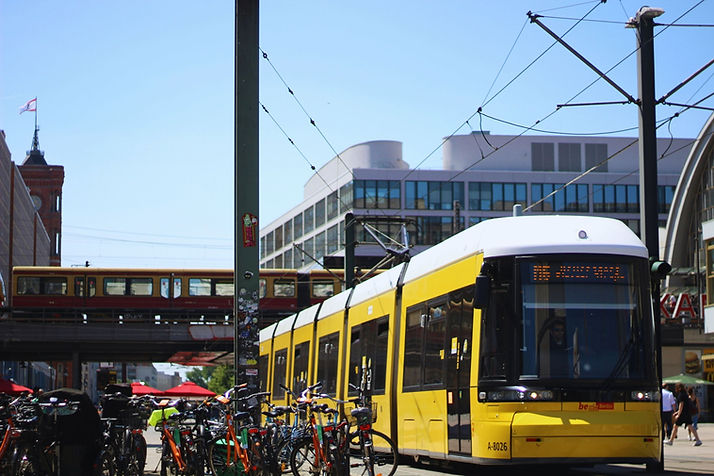
Berlin, Germany
Attractions and Activities
National SEA LIFE Centre Birmingham
The National SEA LIFE Centre Birmingham offers immersive exhibits showcasing marine life from around the world. Families can enjoy interactive displays, walk through the ocean tunnel, and learn about conservation efforts.
Birmingham Museum & Art Gallery
The Birmingham Museum & Art Gallery houses an outstanding collection of Pre‑Raphaelite art, local history, and treasures such as the Staffordshire Hoard. Its Victorian architecture and domed Round Room make it a cultural highlight.
Cannon Hill Park
Cannon Hill Park is a 250‑acre green space featuring lakes, walking trails, tennis courts, and mini‑golf. It’s a favourite spot for picnics, boating, and family outings, offering a peaceful retreat from the city centre.
Thinktank Birmingham Science Museum
The Thinktank Birmingham Science Museum provides hands‑on exhibits exploring science and technology past, present, and future. Highlights include the Spitfire Gallery, Planetarium, and interactive zones perfect for children and adults alike.
Birmingham Cathedral
Birmingham Cathedral is an 18th‑century Georgian baroque church known for its stunning stained glass windows by Edward Burne‑Jones. It remains an active place of worship and hosts concerts and community events.
Bullring & Grand Central
Bullring & Grand Central form Birmingham’s flagship shopping and dining district, with landmark architecture and easy access via New Street Station. It’s a lively hub for retail, food, and city atmosphere.
Cadbury World
Cadbury World is one of Birmingham’s most beloved attractions, offering interactive exhibits on chocolate‑making and the history of Cadbury. Visitors can enjoy themed zones, demonstrations, and plenty of sweet treats along the way.
Brindleyplace and canals
Brindleyplace sits alongside Birmingham’s historic canals, with restaurants, bars, and waterside walks. It’s ideal for an evening stroll or a relaxed lunch by the water.
Culture
Arts and Performance Spaces
Birmingham is home to world‑class venues such as Symphony Hall, renowned for its acoustics and international concerts, and the Birmingham Hippodrome, which hosts ballet, opera, and touring West End productions. Smaller stages like the Rep Theatre showcase contemporary drama and local talent, reflecting the city’s rich performing arts tradition.
Live Music and Local Sound
The O2 Academy Birmingham and Utilita Arena Birmingham host major international acts, while Digbeth’s clubs and bars keep the city’s live music scene thriving. Genres range from heavy metal — Birmingham is the birthplace of Black Sabbath — to jazz, indie, and electronic, ensuring a diverse soundscape.
Culinary Diversity
Birmingham is famous for its Balti Triangle, where the city’s signature curry dish was created. The Bullring & Grand Central offers modern dining options, while street food markets such as Digbeth Dining Club showcase innovative cuisine. Michelin‑starred restaurants like Purnell’s highlight Birmingham’s growing reputation for fine dining.
Festivals and Cultural Events
The Birmingham International Dance Festival is the city’s flagship cultural event, bringing performances to theatres and public spaces. Other highlights include the Birmingham Literature Festival, Flatpack Film Festival, and numerous music and art festivals that celebrate both local creativity and international exchange.
Best Time to Visit
Birmingham is a year‑round destination, but the most comfortable period for sightseeing is late spring through early autumn. Mild temperatures and long daylight hours make it ideal for exploring canals, parks, and cultural landmarks. Each season offers its own rhythm, from lively festivals to quieter museum visits.
Spring (March to May)
Spring in Birmingham brings mild weather and blooming parks such as Cannon Hill and the Botanical Gardens. It’s a pleasant time for walking along the canals or visiting the Jewellery Quarter, with fewer crowds than in summer.
Summer (June to August)
Summer is warm and lively, with outdoor events like the Birmingham International Dance Festival and food festivals across the city. Long days are perfect for exploring Brindleyplace, enjoying al fresco dining, or taking day trips to Stratford‑upon‑Avon and the countryside nearby.
Autumn (September to November)
Autumn offers crisp air and colourful foliage in Birmingham’s parks. Cultural highlights include the Birmingham Literature Festival and concerts at Symphony Hall. Cooler evenings make for cosy dining in the Balti Triangle or exploring Digbeth’s creative scene.
Winter (December to February)
Winter in Birmingham is cold but festive, with Christmas markets in Victoria Square and lights across the city centre. Museums and galleries are quieter, while indoor attractions like Cadbury World and the Thinktank Science Museum provide family‑friendly escapes.
Travel Tips
Emergency Services
In case of emergency, dial 999 in the UK for police, ambulance, or fire services. Birmingham has several major hospitals including Queen Elizabeth Hospital Birmingham near Edgbaston, one of the largest teaching hospitals in Europe, and City Hospital Birmingham which also provides comprehensive care.
Nearest Train Station
Birmingham New Street Station is the city’s main hub, connecting Birmingham to destinations across the UK including London, Manchester, and Edinburgh. Local services also link the station to Birmingham Airport and nearby towns, making it a key transport point for travellers.
Nearest Airport
Birmingham Airport (BHX) lies about 10 km east of the city centre and is one of the UK’s busiest regional airports. It offers extensive domestic and international connections, with facilities including lounges, duty‑free shopping, currency exchange, and SIM card kiosks on arrival.
Commonly Asked Questions
Q: Is Birmingham an expensive city to visit? A: Birmingham is relatively affordable compared to other major European cities. There are plenty of budget-friendly options for accommodation and dining.
Q: What is the currency used in Birmingham? A: Birmingham, like the rest of England, uses the British Pound (£).
Q: Can I get around Birmingham without a car? A: Yes, Birmingham is very walkable, and its public transport system is efficient and easy to use.
Q: Are there day trips I can take from Birmingham? A: Absolutely! Popular day trips include visiting Stratford-upon-Avon, the Cotswolds, and Warwick Castle.
Birmingham is a city that effortlessly combines its industrial heritage with a vibrant cultural scene, offering visitors a rich array of experiences. From historic landmarks and world-class museums to its lively music scene and delectable cuisine, Birmingham promises a memorable and enriching journey. Whether you’re a history buff, art lover, or simply looking to soak in the local culture, Birmingham has something for everyone.
Happy travels! 🌍✈️


