

Barcelona is the capital of Catalonia and Spain’s second‑largest city, known for its Gothic Quarter, Gaudí’s modernist landmarks like the Sagrada Família, and Mediterranean beaches. It blends ancient history with vibrant neighbourhoods, lively markets, and a thriving food scene.
The city balances cosmopolitan energy with seaside leisure, La Rambla buzzes with cafés and performers, while Barceloneta beach offers relaxation by the sea. Food culture thrives in markets like La Boqueria and tapas bars across neighbourhoods.
Barcelona’s character lies in its contrasts: ancient history, bold modern design, and a vibrant coastal atmosphere, making it one of Europe’s most captivating destinations.
A Brief History
Barcelona’s origins trace back over 2,000 years to the Iberian settlement of Barkeno, later colonised by the Romans in 218 BCE. Remnants of Roman walls and streets can still be seen in the Gothic Quarter.
During the medieval period, Barcelona became the capital of the County of Barcelona and a key port in the Crown of Aragon. Its influence grew through trade and maritime power across the Mediterranean.
The city experienced decline after the War of Spanish Succession in 1714, but revived in the 19th century with industrialisation and the rise of Catalan nationalism. This era saw the birth of Modernisme, led by architects like Antoni Gaudí.
Today, Barcelona’s history is reflected in landmarks like the Barcelona History Museum (MUHBA), the Gothic Quarter, and Park Güell, each showcasing Roman, medieval, and modernist layers of the city’s evolution.
For more, explore the History of Barcelona on Wikipedia or browse the Barcelona history guide.
Barcelona, Spain
Attractions and Activities
Sagrada Família
The Sagrada Família is Barcelona’s most iconic landmark, designed by Antoni Gaudí and still under construction after more than a century. Its soaring towers and intricate façades symbolise the city’s modernist spirit, while the interior dazzles with light and colour.
Park Güell
Park Güell blends nature and architecture in Gaudí’s signature style, with mosaic‑covered benches, whimsical sculptures, and panoramic views of the city. Originally conceived as a housing project, it is now a UNESCO World Heritage Site and one of Barcelona’s most visited attractions.
Gothic Quarter (Barri Gòtic)
The Gothic Quarter preserves Barcelona’s medieval heart, with narrow alleys, hidden squares, and centuries‑old churches. Visitors can explore the Barcelona Cathedral, Roman walls, and lively cafés tucked into atmospheric streets.
La Rambla
La Rambla is the city’s famous boulevard, lined with shops, flower stalls, and street performers. Stretching from Plaça de Catalunya to the waterfront, it offers a lively snapshot of Barcelona’s daily rhythm.
Casa Batlló and Casa Milà (La Pedrera)
Gaudí’s Casa Batlló and Casa Milà showcase his imaginative approach to design, with undulating façades and colourful interiors. These modernist masterpieces highlight Barcelona’s reputation as a centre of architectural innovation.
Montjuïc Hill
Montjuïc offers gardens, museums, and sweeping views of the harbour. Highlights include the Magic Fountain, the National Art Museum of Catalonia, and the Olympic Stadium, making it a cultural and recreational hub.
Camp Nou
Camp Nou is the legendary home of FC Barcelona, one of the world’s most famous football clubs. Stadium tours and the Barça Museum provide insight into the team’s history and global influence.
Barceloneta Beach
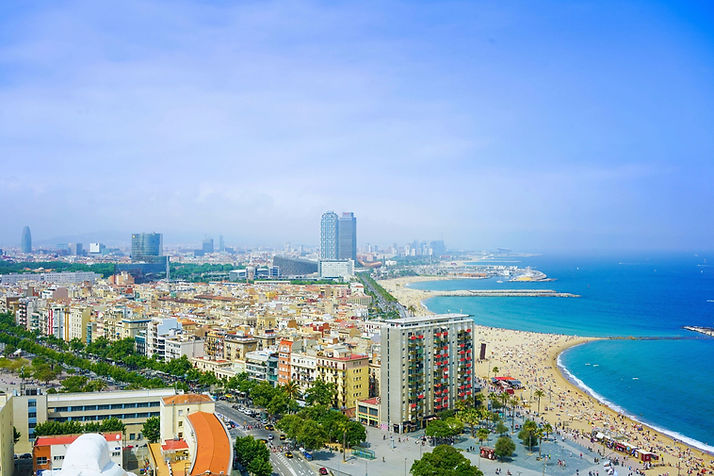
Barceloneta Beach is the city’s most popular seaside escape, perfect for swimming, sunbathing, or enjoying seafood in beachfront restaurants. Its lively promenade captures Barcelona’s balance of urban energy and coastal leisure.
Culture
Arts and Performance Spaces
The Gran Teatre del Liceu on La Rambla is Barcelona’s historic opera house, hosting world‑class performances since the 19th century. Alongside it, venues such as the Palau de la Música Catalana and smaller theatres showcase drama, dance, and contemporary productions, reflecting the city’s rich artistic tradition.
Live Music and Local Sound
Barcelona’s music scene ranges from classical concerts at the Auditori to vibrant neighbourhood clubs. Genres span Catalan folk, flamenco, jazz, rock, and electronic, ensuring the city’s soundscape is as diverse as its population and nightlife.
Culinary Diversity
The Mercat de la Boqueria offers a vivid introduction to local flavours, from Iberian ham and cheeses to fresh seafood. Traditional tapas bars serve dishes like patatas bravas and paella, while modern restaurants experiment with Mediterranean fusion, making Barcelona a city where food culture bridges past and present.
Festivals and Cultural Events
The La Mercè Festival is Barcelona’s flagship cultural event, filling the city with parades, concerts, and fireworks each September. Other highlights include Primavera Sound, Sónar Festival, and numerous film and art festivals, which celebrate both Catalan creativity and international exchange.
Best Time to Visit
Barcelona is a year‑round destination, but the most comfortable period for sightseeing is spring and autumn, when temperatures are mild and crowds are smaller. Clear skies and pleasant weather make it ideal for exploring Gaudí’s landmarks, enjoying outdoor cafés, and strolling along the Mediterranean waterfront. Each season brings its own rhythm, from lively festivals to quieter cultural moments.
Spring (March to May)
Spring in Barcelona brings warm, sunny days and blooming parks, perfect for visiting the Sagrada Família or strolling through the Gothic Quarter. Easter celebrations and local festivals add colour and tradition, while the city is less crowded than in peak summer.
Summer (June to August)
Summer in Barcelona is hot and vibrant, with long days ideal for beach outings at Barceloneta and evening walks along La Rambla. Major events like Primavera Sound and Sónar Festival fill the calendar with music and nightlife, making this the busiest season for visitors.
Autumn (September to November)
Autumn offers warm weather with fewer tourists, making it a pleasant time for sightseeing and cultural exploration. The La Mercè Festival in September showcases parades, concerts, and fireworks, while cooler evenings are perfect for rooftop dining with city views.
Winter (December to February)
Winter in Barcelona is mild compared to northern Europe, with occasional rain but plenty of sunny days. Museums and galleries are quieter, and festive Christmas markets and lights create a lively atmosphere, making it an appealing time for cultural travellers.
Travel Tips
Emergency Services
In case of emergency, dial 112 in Spain for police, ambulance, or fire services. Barcelona has several major hospitals including Hospital Clínic de Barcelona near the city centre, and private facilities that travellers often use for faster service.
Nearest Train Station
The Barcelona Sants Station is the city’s main rail hub, connecting Barcelona to Madrid, Valencia, and other destinations across Spain and Europe. Local and regional trains also link the station to nearby towns and the airport, making it a key transport point for travellers.
Nearest Airport
Barcelona–El Prat Airport lies about 15 km southwest of the city centre and is Catalonia’s busiest airport. It offers extensive domestic and international connections, with facilities including lounges, duty‑free shopping, currency exchange, and SIM card kiosks on arrival.
Ferry Connections
The Port of Barcelona serves as the city’s main ferry terminal, with regular services to the Balearic Islands, Italy, and North Africa. Travellers should book tickets in advance, especially in summer, and check schedules as crossings can be affected by weather or demand.
Commonly Asked Questions
Q: What is the best time of year to visit Barcelona?
A: The best time to visit Barcelona is during spring (March to May) and autumn (September to November), when temperatures are mild and crowds are smaller. Summer is lively but hot, while winter offers quieter museums and festive markets.
Q: What are must‑visit attractions in Barcelona?
A: Highlights include the Sagrada Família, Park Güell, the Gothic Quarter, Casa Batlló, and Montjuïc Hill. Each showcases the city’s blend of Roman, Gothic, and modernist heritage.
Q: Is Barcelona family‑friendly?
A: Yes — families enjoy Barcelona Zoo, the beaches of Barceloneta, and interactive exhibits at the CosmoCaixa Science Museum. Parks and pedestrian areas make sightseeing accessible and safe for children.
Q: What are the best outdoor activities in Barcelona?
A: Popular options include walking tours through the Gothic Quarter, hiking up Tibidabo for panoramic views, cycling along the waterfront, and enjoying open‑air concerts or festivals in summer.
Q: How can I get around Barcelona?
A: The Barcelona Metro is efficient and connects major sites, while buses and trams cover wider areas. Taxis and ride‑sharing apps are widely available, and ferries from the Port of Barcelona link the city to the Balearic Islands and beyond.
Barcelona is a city that captivates visitors with its rich history, stunning architecture, vibrant cultural scene, and warm hospitality. Whether you're exploring its iconic landmarks, savouring the flavours of Catalan cuisine, or simply soaking in the ambiance of its historic streets, Barcelona promises an unforgettable experience. With this comprehensive guide, you are well-equipped to discover the best that Barcelona has to offer, ensuring a memorable and enriching journey to this Spanish gem.
Happy travels and enjoy your time in Barcelona! 🌍✈️


