
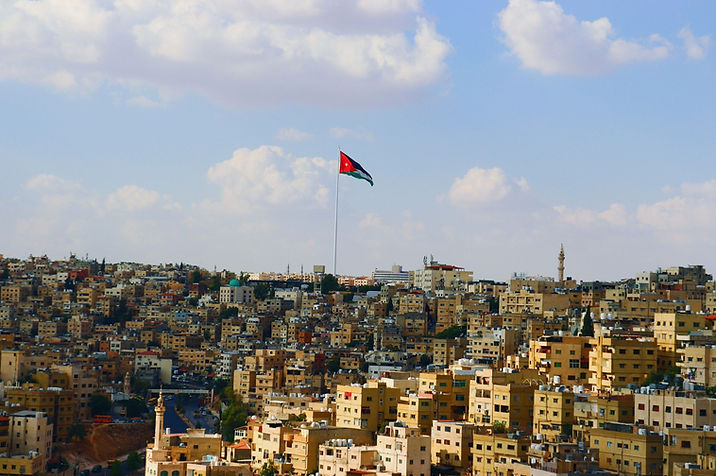
Amman, the capital of Jordan, is a city that harmoniously blends ancient history with modern allure. Set atop seven hills, Amman boasts archaeological treasures such as the Roman Theatre and the Citadel, which offers panoramic views of the city.
Visitors can wander through bustling souks, explore contemporary art galleries, and savour delicious Jordanian cuisine. With its warm hospitality and rich cultural heritage, Amman provides a captivating and memorable travel experience.
A Brief History
The region was home to biblical kingdoms like Ammon, Moab, and Edom and later the Nabataeans, who built the iconic city of Petra. Under Roman rule, cities like Jerash flourished with theatres and temples.
Islam arrived in the 7th century, followed by centuries of Ottoman rule. After World War I and the Arab Revolt, Jordan became the Emirate of Transjordan under British mandate. It gained independence in 1946 as the Hashemite Kingdom of Jordan.
Today, Jordan is known for its stability, hospitality, and rich archaeological heritage.
Amman, Jordan
Attractions and Activities
Jordan offers a mix of ancient wonders, desert adventures, and coastal escapes. Petra, Wadi Rum, and the Dead Sea headline a list of unforgettable experiences.
Petra
The crown jewel of Jordan, Petra is a UNESCO World Heritage site carved into rose-red cliffs by the Nabataeans. Highlights include the Treasury, the Monastery, and the Siq — a dramatic canyon entrance.
Wadi Rum
Known as the Valley of the Moon, Wadi Rum features surreal sandstone formations, ancient petroglyphs, and Bedouin camps. Visitors can explore by 4x4, camel, or hot air balloon.
Dead Sea
The lowest point on Earth, the Dead Sea offers buoyant swimming and mineral-rich mud treatments. Luxury resorts line the eastern shore, perfect for wellness and relaxation.
Jerash
One of the best-preserved Roman cities outside Italy, Jerash boasts colonnaded streets, temples, and amphitheatres. It hosts the Jerash Festival of Culture and Arts each summer.
Amman Citadel and Roman Theatre
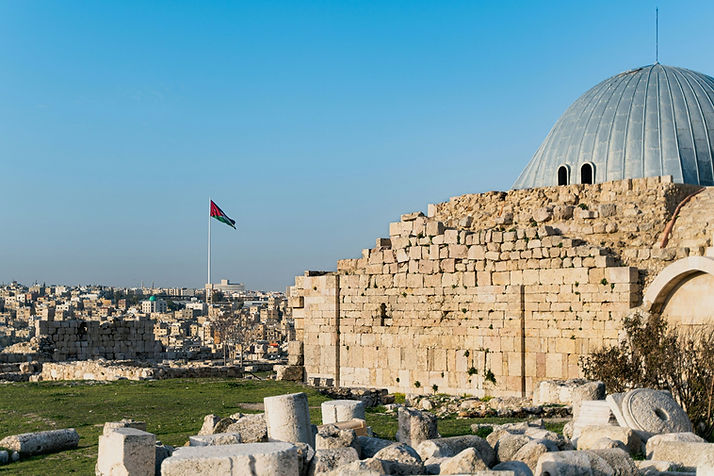
In the capital, the Amman Citadel offers sweeping views and ruins from Roman, Byzantine, and Umayyad periods. Nearby, the Roman Theatre seats 6,000 and hosts cultural events.
Aqaba and the Red Sea
Jordan’s southern port city offers diving, snorkelling, and beach resorts. The Cedar Pride shipwreck is a top dive site, while coral reefs attract marine life enthusiasts.
Dana Biosphere Reserve
A haven for hikers and nature lovers, Dana Reserve spans canyons, cliffs, and wildlife habitats. Trails range from short walks to multi-day treks.
Culture
Language and Religion
Arabic is the official language, with English widely spoken in urban areas and among younger generations. Islam is the dominant religion, practised by over 97% of the population, while Christian communities make up around 2% and are respected across society.
Hospitality and Social Customs
Jordanians are known for their warm hospitality. Guests are often welcomed with coffee, tea, and sweets like baklava or ma’amoul. Social gatherings revolve around family, and it’s common to greet elders first and use formal titles.
Traditional Dress and Music
Men may wear the red-and-white keffiyeh (shemagh) and women often blend modern fashion with traditional embroidery. Music ranges from Bedouin folk songs and dabke dance rhythms to contemporary Arabic pop.
Cuisine and Dining
Jordanian cuisine features dishes like mansaf (lamb with rice and yoghurt), falafel, hummus, and grilled meats. Meals are often shared communally, and eating with the right hand is customary. Street food and sweets like knafeh are popular in cities like Amman and Irbid.
Arts and Festivals
Jordan supports a growing arts scene, with galleries, film festivals, and cultural centres in Amman. Events like the Jerash Festival celebrate poetry, music, and dance in ancient Roman settings.
Cultural Etiquette
Modesty in dress and behaviour is appreciated, especially in rural areas and religious sites. Public displays of affection are discouraged, and it’s polite to ask before taking photos of people or private spaces.
Best Time to Visit
Jordan’s varied climate makes it a rewarding destination year-round. Whether you're drawn to ancient ruins, desert adventures, or cultural festivals, each season offers its own rhythm and charm.
Spring (March to May)
Spring is widely considered the best time to visit Jordan. Mild temperatures and blooming wildflowers make it ideal for hiking in Dana Biosphere Reserve, exploring Petra, or camping in Wadi Rum. Events like the Petra Desert Marathon and Amman’s cultural exhibitions attract outdoor enthusiasts and art lovers alike.
Summer (June to August)
Summer is hot and dry, especially in desert regions. It’s a great time for diving in Aqaba, enjoying shaded cafés in Amman, or escaping to higher altitudes like Ajloun. While midday heat can be intense, early mornings and evenings are perfect for sightseeing. Ramadan and Eid celebrations often fall in summer, offering unique cultural experiences.
Autumn (September to November)
Autumn brings cooler air and golden light, ideal for photography, hiking, and historical site visits. It’s a popular season for events like the Jerash Festival of Culture and Arts, which features music, dance, and poetry in Roman ruins. The weather is perfect for exploring Petra, floating in the Dead Sea, or trekking through Wadi Mujib.
Winter (December to February)
Winter is cool and quiet, with occasional rain and snow in northern highlands. It’s a cosy time for museum visits, hot springs in Ma’in, and off-season travel to Petra and Wadi Rum. Amman’s cafés and galleries offer warmth and culture, while the Dead Sea remains swimmable year-round due to its mild microclimate.
Travel Tips
Emergency Services
In case of emergency, dial 911 for police, 998 for fire, and 199 for medical assistance. Jordan’s emergency response is coordinated through national dispatch centres and is generally reliable in urban areas like Amman and Aqaba.
Nearest Train Station
Jordan’s rail network is limited, but the main passenger station is in Amman, operated by the Hijaz Railway. It offers heritage rides to Zarqa and occasional tourist routes. Most long-distance travel is by bus or car.
Nearest Airport
Queen Alia International Airport (AMM) is Jordan’s primary international gateway, located about 35 km south of Amman. It offers flights across the Middle East, Europe, and Asia, with easy access to taxis, car rentals, and airport shuttles.
Commonly Asked Questions
Q: What is the best time of year to visit Jordan?
A: Jordan is a year-round destination, but spring (March to May) and autumn (September to November) offer the most pleasant weather. These seasons are ideal for exploring Petra, hiking in Dana Reserve, and enjoying cultural festivals like Jerash Arts Festival.
Q: What are must-visit attractions in Jordan?
A: Don’t miss Petra, Wadi Rum, and the Dead Sea. Other highlights include the Amman Citadel, Jerash Roman ruins, Aqaba’s Red Sea coast, and the desert castles of eastern Jordan.
Q: Is Jordan family-friendly?
A: Absolutely! Jordan offers family-friendly experiences like camel rides in Wadi Rum, swimming in the Dead Sea, and interactive museums in Amman. Many hotels and restaurants cater to families, and locals are welcoming to children.
Q: What are the best outdoor activities in Jordan?
A: Hiking in Dana Biosphere Reserve, desert camping in Wadi Rum, snorkelling in Aqaba, and exploring Petra’s trails are top picks. Scenic drives through the King’s Highway and birdwatching in Azraq Wetland Reserve also appeal to nature lovers.
Q: How can I get around Jordan?
A: Jordan’s transport options include taxis, ride-hailing apps, intercity buses, and private drivers. Amman has a metro-style bus system, while rental cars offer flexibility for exploring Petra, Wadi Rum, and the Dead Sea.
Amman is a city that beautifully balances ancient history with modern vibrancy. Whether you're exploring historical sites, indulging in delicious cuisine, or experiencing the local culture, Amman offers a diverse and enriching travel experience. So, pack your bags and get ready to uncover the treasures of this captivating Jordanian capital!
Happy travels! 🌍✈️


