
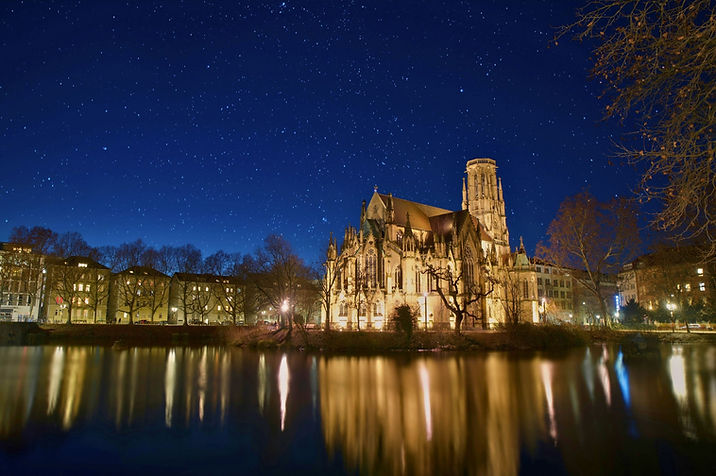
Stuttgart, the capital of the state of Baden-Württemberg in southern Germany, is a city that harmoniously blends industrial prowess with cultural richness. Known for its world-class automotive industry, picturesque vineyards, and vibrant arts scene, Stuttgart offers a unique and multifaceted experience for travellers. Surrounded by forested hills and nestled in a scenic valley, Stuttgart is a city that captivates with its charm and diversity.
A Brief History
Stuttgart began as a small settlement founded in the mid tenth century, when Duke Liudolf of Swabia established a horse stud called Stuotgarten. This early community grew beside the Neckar River, shaped by fertile land, vineyards and its position within historic Swabia. Over time, the settlement gained civic rights and developed into a town, gradually expanding around its early fortifications and churches.
During the medieval period, Stuttgart became the seat of the Counts of Württemberg, transforming it into a regional centre of power. The city grew with new churches, administrative buildings and cultural institutions, reflecting its rising political importance. Prosperity in the sixteenth century was followed by hardship during the Thirty Years’ War, when conflict and disease reduced the population and slowed development.
In the nineteenth century, Stuttgart experienced renewed growth as industrialisation reshaped the region. It became a hub for engineering, manufacturing and trade, later developing into a major centre for automotive innovation with companies such as Daimler and Porsche. Today, Stuttgart’s past is visible in its historic squares, old castles and vineyard lined hills, showing how the city evolved from a stud farm to a modern capital shaped by centuries of cultural and economic change.
For more, explore the History of Stuttgart on Wikipedia.
Stuttgart, Germany
Attractions and Activities
Schlossplatz
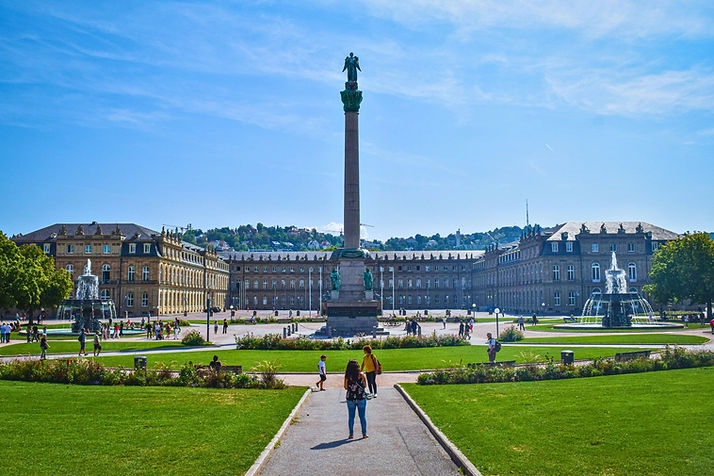
Schlossplatz is Stuttgart’s central square, surrounded by historic buildings, open lawns and cultural landmarks. Its spacious setting makes it a popular place for walks, events and relaxed city moments.
Old Castle
The Old Castle presents centuries of regional history through its museum collections and preserved architecture. Its courtyard and exhibitions highlight Stuttgart’s cultural and political heritage.
New Palace
The New Palace is a grand baroque residence that reflects Stuttgart’s royal past. Its impressive façade and central location make it a key landmark beside Schlossplatz.
Mercedes Benz Museum
The Mercedes Benz Museum traces the evolution of automotive design and engineering. Its modern architecture and detailed exhibits showcase vehicles, innovation and Stuttgart’s role in the industry.
Porsche Museum
The Porsche Museum displays iconic sports cars and explores the brand’s history. Its striking building and interactive exhibits make it a favourite stop for automotive enthusiasts.
Wilhelma
Wilhelma is a unique combination of botanical garden and zoological park. Its historic architecture, landscaped grounds and diverse wildlife create a varied and scenic experience.
Killesberg Park
Killesberg Park offers gardens, walking paths and viewpoints across the city. Its peaceful atmosphere makes it ideal for outdoor time and relaxed nature visits.
Stuttgart Television Tower
The Stuttgart Television Tower provides panoramic views from its observation deck. Its height and location offer a clear perspective of the city, surrounding hills and vineyards.
Culture
Arts and Performance Spaces
Stuttgart’s cultural scene is shaped by galleries, theatres and creative venues across the city. Local artists present painting, sculpture and contemporary work, while performance spaces host plays, concerts and seasonal events that reflect the region’s artistic heritage.
Live Music and Local Sound
Live music ranges from classical performances and jazz to modern bands and relaxed acoustic sets. Bars, squares and cultural venues create a varied musical atmosphere, blending tradition with contemporary styles that suit Stuttgart’s urban character.
Culinary Diversity
Stuttgart’s food culture highlights regional dishes, local produce and influences from across Germany. Traditional restaurants serve meals such as Maultaschen and Swabian specialities, while modern dining introduces international flavours that complement the city’s culinary traditions.
Festivals and Cultural Events
Stuttgart hosts a lively cultural calendar, including music festivals, wine celebrations and open air events. Activities take place in parks, historic squares and cultural districts, showcasing both local creativity and international exchange.
Best Time to Visit
Stuttgart is a year round destination shaped by seasonal landscapes, cultural events and its mix of historic and modern districts. Each season offers a different atmosphere, from bright spring days to warm summer festivals and calm winter streets, making it easy to enjoy whether you prefer culture, nature or relaxed city walks.
Spring (March to May)
Spring brings mild temperatures and fresh greenery, making it ideal for exploring parks, vineyards and cultural sites. The city feels comfortable and bright, with longer days perfect for sightseeing.
Summer (June to August)
Summer is warm and lively, with outdoor festivals, busy squares and open air events. It is the peak season for park visits, beer gardens and enjoying Stuttgart’s cultural calendar, though popular areas can be crowded.
Autumn (September to November)
Autumn offers crisp air, colourful vineyards and a calmer pace. It is a great time for scenic walks, wine events and exploring Stuttgart’s neighbourhoods without peak season crowds.
Winter (December to February)
Winter is quiet and atmospheric, with cool temperatures and festive lights. It suits travellers who enjoy calm streets, cosy cafés and exploring cultural sites at a relaxed pace.
Travel Tips
Emergency Services
In case of emergency, dial 112 in Germany for police, ambulance or fire services. Stuttgart has reliable medical centres and hospitals across the city, with major facilities located near central districts for quick assistance.
Nearest Train Station
Stuttgart Central Station is the city’s main rail hub, offering national and international connections. It sits beside major bus routes and local transport lines, making onward travel simple and well organised.
Nearest Airport
Stuttgart Airport lies south of the city and handles both international and domestic flights. It provides modern facilities and regular transport links to Stuttgart’s centre, including trains and buses.
Nearest Port
Stuttgart does not have a sea port, but it operates an inland port along the Neckar River that supports regional shipping. Travellers arriving by water typically use nearby Rhine or Danube routes rather than Stuttgart directly.
Commonly Asked Questions
Q: What is the best time of year to visit Stuttgart
A: The best time to visit Stuttgart is during spring and autumn, when temperatures are pleasant and the city feels comfortable for exploring. Summer is lively with festivals and outdoor events, while winter offers quiet streets and a cosy atmosphere.
Q: What are must visit attractions in Stuttgart
A: Highlights include Schlossplatz, the Old Castle, the New Palace, the Mercedes Benz Museum, the Porsche Museum, Wilhelma, Killesberg Park and the Stuttgart Television Tower. Each reflects Stuttgart’s blend of history, culture and innovation.
Q: Is Stuttgart family friendly
A: Yes, families enjoy parks, museums, gardens and relaxed neighbourhoods. Stuttgart’s safe streets and varied attractions make it simple to explore with children.
Q: What are the best outdoor activities in Stuttgart
A: Popular options include park walks, vineyard trails, garden visits, scenic viewpoints and exploring Killesberg Park. The city’s mix of green spaces and surrounding hills makes outdoor time easy and varied.
Q: How can I get around Stuttgart
A: Stuttgart is easy to navigate using local trains, trams and buses. Central districts are walkable, while the main station and airport provide simple connections across the region.
Stuttgart is a city that captivates visitors with its rich history, stunning architecture, vibrant cultural scene, and warm hospitality. Whether you're exploring its iconic landmarks, savouring the flavours of German cuisine, or simply soaking in the ambiance of its historic streets, Stuttgart promises an unforgettable experience. With this comprehensive guide, you are well-equipped to discover the best that Stuttgart has to offer, ensuring a memorable and enriching journey to this German gem.


