

Prague, the enchanting capital of the Czech Republic, is a city that effortlessly blends rich history with a vibrant modern vibe. Known as the "City of a Hundred Spires" due to its stunning skyline punctuated by Gothic and Baroque churches, Prague is a treasure trove of architectural wonders, cultural landmarks, and charming cobblestone streets. With its unique character and warm hospitality, Prague offers an unforgettable experience for every traveller.
A Brief History
Prague began as an early settlement along the River Vltava, shaped by trade routes that connected central Europe. By the 9th century it had become a fortified centre under the Přemyslid dynasty, who established Prague Castle as the seat of Bohemian rulers. Over time it developed into a growing medieval town with markets, churches and civic spaces that reflected its rising political and cultural importance.
Expansion during the medieval and later periods transformed Prague into a major European city. Kings, merchants and artists created grand palaces, bridges and historic districts that still define the centre. Landmarks such as Prague Castle, Charles Bridge and the Old Town Square reflect layers of Gothic,
Baroque and modern development shaped by centuries of royal rule, religious change and national revival.
Prague’s history is visible in its architecture, museums and neighbourhoods, showing how the city evolved from a fortified settlement to a cultural capital known for its artistic heritage and historic charm.
For more, explore the History of Prague on Wikipedia.
Prague, Czech Republic
Attractions and Activities
Prague Castle
Prague Castle is one of the city’s most important historic landmarks, featuring Gothic, Baroque and Renaissance architecture, grand courtyards and panoramic views over the Vltava. It reflects centuries of royal, political and cultural history at the heart of Prague.
Charles Bridge
Charles Bridge is a medieval stone bridge known for its statues, towers and scenic river views. Its blend of historic craftsmanship and lively atmosphere makes it one of Prague’s most recognisable cultural spaces.
Old Town Square
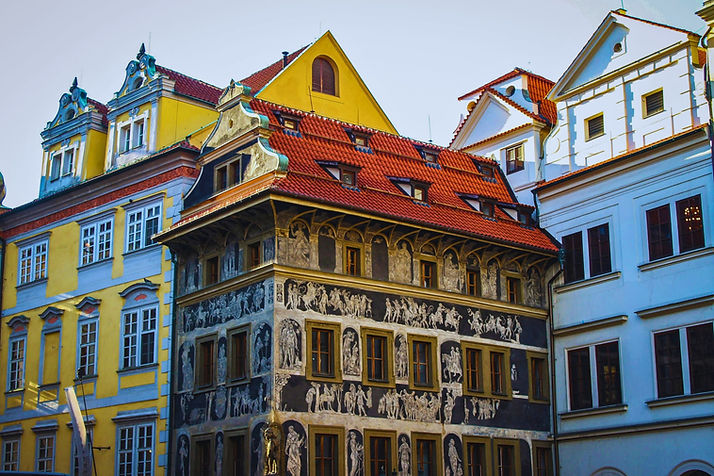
Old Town Square combines colourful buildings with centuries of civic and religious heritage. Its churches, historic houses and the famous Astronomical Clock make it one of Prague’s most significant historic sites.
St Vitus Cathedral
St Vitus Cathedral showcases Gothic architecture, stained glass windows and royal chapels. Its soaring interiors and detailed craftsmanship highlight Prague’s artistic and spiritual legacy.
Jewish Quarter (Josefov)
The Jewish Quarter is filled with synagogues, museums and historic streets that reflect Prague’s long Jewish heritage. Its preserved buildings and cultural collections make it a meaningful area for exploring local history.
Wenceslas Square
Wenceslas Square is Prague’s central boulevard, lined with shops, cafés, theatres and historic monuments. Its lively atmosphere and cultural landmarks make it a favourite area for strolling and discovering city life.
Petrin Hill
Petrin Hill offers gardens, viewpoints and peaceful walking paths. It’s ideal for relaxing, climbing the lookout tower or enjoying panoramic views across Prague’s rooftops and river.
Vltava River
The Vltava offers scenic bridges, riverside walks and boat cruises. Its views of historic districts and iconic landmarks create a memorable setting for exploring Prague from the water.
Culture
Arts and Performance Spaces
Prague’s cultural scene centres on venues such as the National Theatre, known for its grand architecture, classical performances and long tradition of Czech opera, ballet and drama. Alongside it, spaces like Estates Theatre and smaller independent stages present contemporary plays, dance and creative works that reflect the city’s artistic heritage.
Live Music and Local Sound
The city’s music scene ranges from classical concerts at Rudolfinum to lively bars and modern venues across Old Town, Žižkov and Vinohrady. Genres span Czech folk, jazz, rock, electronic and experimental styles, creating a sound shaped by Prague’s diverse communities and vibrant nightlife.
Culinary Diversity
Prague’s food culture blends Czech traditions with global influences. Markets such as Havelská showcase fresh produce, cheeses and baked goods, while traditional restaurants serve dishes like svíčková, goulash and roast duck. Modern eateries experiment with European and international flavours, highlighting the city’s mix of tradition and innovation.
Festivals and Cultural Events
Prague hosts a packed cultural calendar, including Prague Spring Festival, Signal Festival and numerous film, art and music events throughout the year. Exhibitions, performances and citywide celebrations showcase both Czech creativity and international exchange.
Best Time to Visit
Prague is a year round destination, shaped by seasonal light, cultural events and central Europe’s changing climate. The city feels different each season, from bright spring mornings to atmospheric winter evenings, making it easy to enjoy whether you prefer museums, river walks or historic neighbourhoods.
Spring (March to May)
Spring in Prague is fresh and lively, with comfortable temperatures that suit exploring Prague Castle, wandering across Charles Bridge or relaxing in the city’s parks. Blossoming trees and outdoor cafés add colour to the streets, and cultural events bring extra energy.
Summer (June to August)
Summer in Prague is warm and busy, with long days ideal for visiting museums, enjoying Vltava cruises or taking evening strolls through Old Town. Open air concerts, festivals and lively squares make the season vibrant and social.
Autumn (September to November)
Autumn brings a calm and elegant atmosphere as the city shifts into cooler weather and cultural seasons. Clear days make sightseeing pleasant, and districts like Malá Strana and Vinohrady feel especially inviting for cafés, galleries and relaxed walks.
Winter (December to February)
Winter in Prague is crisp and atmospheric, with festive lights, Christmas markets and cosy restaurants. It’s a great season for cultural travellers who enjoy museums, classical performances and quieter historic streets. Occasional snow adds charm to the city’s towers, bridges and river views.
Travel Tips
Emergency Services
In case of emergency, dial 112 in the Czech Republic for police, ambulance or fire services. Prague has several major hospitals, including Motol University Hospital and General University Hospital, along with smaller clinics that travellers often use for quicker assistance.
Nearest Train Station
Prague Main Station (Praha hlavní nádraží) is the city’s busiest rail hub, connecting Prague to regional towns, major Czech cities and international destinations. Its modern facilities and extensive tram, metro and bus links make it a convenient gateway for exploring Prague and beyond.
Nearest Airport
Václav Havel Airport Prague lies about 15 km west of the city centre and is the main international airport. It offers global connections, lounges, duty free shopping and easy transport links into the city.
Nearest Port
Prague’s river ports sit along the Vltava and support sightseeing cruises, local boat services and leisure trips. Their central locations, scenic views and easy access to major landmarks make them useful and atmospheric transport hubs.
Commonly Asked Questions
Q: What is the best time of year to visit Prague
A: The best time to visit Prague is during spring and autumn, when temperatures are mild and the city is comfortable for sightseeing. Summer is lively with long days and outdoor events, while winter brings festive markets, cosy cafés and quieter historic streets.
Q: What are must visit attractions in Prague
A: Highlights include Prague Castle, Charles Bridge, Old Town Square, St Vitus Cathedral, the Jewish Quarter and the Vltava River. Each reflects the city’s blend of history, architecture and cultural heritage.
Q: Is Prague family friendly
A: Yes, families enjoy Petrin Hill, river cruises, Old Town’s squares and interactive museums across the city. Parks, pedestrian areas and varied attractions make Prague simple to explore with children.
Q: What are the best outdoor activities in Prague
A: Popular options include walking along the Vltava, relaxing on Petrin Hill, exploring historic districts, enjoying river cruises and visiting the city’s many parks. Scenic viewpoints and riverside paths make outdoor time easy.
Q: How can I get around Prague
A: Prague is well connected by trams, buses and metro lines. The city centre is walkable, and bike rentals are available in several districts. Prague Main Station provides national and international links, while local transport makes it simple to reach key attractions.
Prague is a city that captivates visitors with its rich history, stunning architecture, vibrant cultural scene, and warm hospitality. Whether you're exploring its iconic landmarks, savouring the flavours of Czech cuisine, or simply soaking in the ambiance of its historic streets, Prague promises an unforgettable experience. With this comprehensive guide, you are well-equipped to discover the best that Prague has to offer, ensuring a memorable and enriching journey to this Czech gem.


